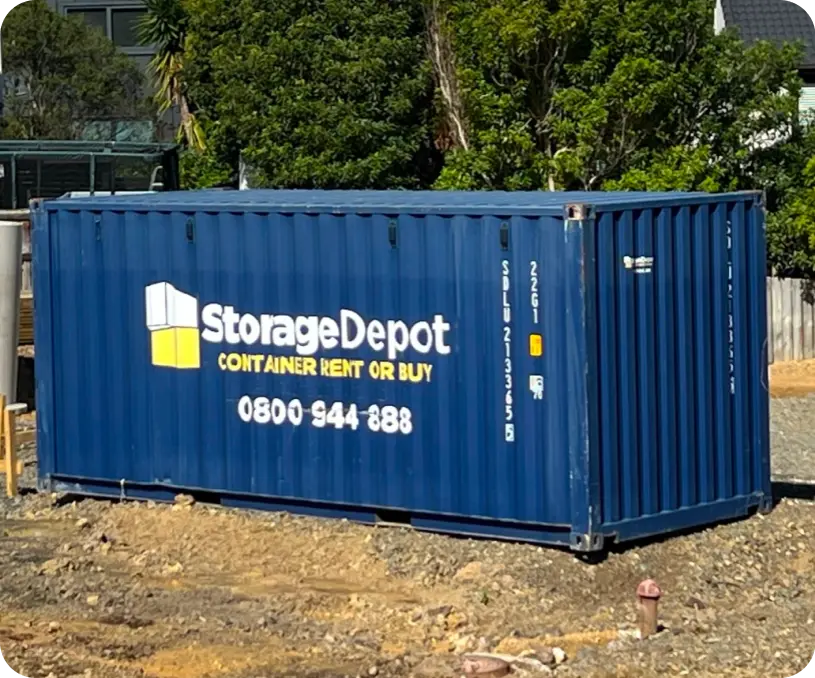
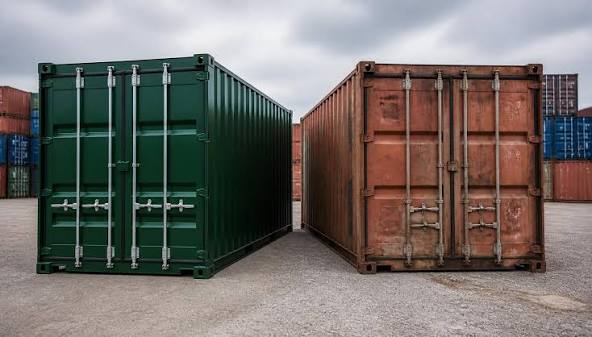
Choosing a new vs used shipping container in NZ usually hinges on four things: what you’re storing, how it needs to look, how much you want to spend, and how long you plan to keep it. New containers generally carry less wear and a more uniform finish, while used containers can bring the price down considerably, though condition varies from unit to unit. Neither option is automatically the safer bet. What matters is matching the container’s actual condition to what you need it for.
What’s the Difference Between New and Used Shipping Containers?
In the New Zealand market, a “new” container almost always means a one-trip unit. It’s built at a mill overseas from Corten (weathering) steel, loaded with export cargo for a single ocean voyage, then sold on arrival rather than being cycled back into commercial shipping service. Because it’s only handled once, a one-trip container typically retains its factory paint, intact seals, and unworked steel, with none of the dents, weld repairs, or corrosion that accumulate over years of active freight duty.
A used container has earned its wear through real work. Many spent five, ten, or fifteen years in continuous international service before shipping lines retired them, at which point they entered the secondary market as storage and site containers. The industry commonly describes their condition using a handful of established grades: cargo-worthy units that still meet the structural standard for carrying freight, wind and watertight units that no longer meet shipping specifications but remain sealed and dry, and “as-is” units sold with no condition guarantee at all. None of these grades map neatly onto a container’s age. A twelve-year-old container stored inland and well maintained can outperform a five-year-old unit that spent its working life in a harsher coastal shipping route. This is the part most guides skip when they frame a new vs used shipping container in NZ purchase as a simple binary: history and upkeep, not the number on the build date, determine how a container will perform once it’s sitting in your yard.
New vs Used Shipping Containers
| Feature / Metric | New Container | Used Container |
| Upfront cost | Higher | Generally lower |
| Visible wear | Minimal to none | Ranges from light surface marks to dents, rust bloom or prior repairs |
| Appearance | Consistent factory finish | Varies by grade and prior service history |
| Structural history | Untouched, no repair welds | May include patched sections or replaced panels |
| Maintenance considerations | Fewer immediate concerns | Worth checking seals, floor and roof condition closely |
| Best suited to | Conversions, customer-facing sites, long-term builds | Site storage, equipment, practical day-to-day use |
None of these rows point to a fixed lifespan or a guaranteed number of years in service. A well-graded used container, properly inspected, can go on serving for a long stretch, since the steel itself is built to withstand far more than a static storage role demands. Equally, a new container still needs basic upkeep, such as clearing debris from the roof and checking seals periodically, to stay in the condition it arrived in.
What Are the Benefits of Buying a New Shipping Container?
The clearest advantage is what a new container doesn’t carry: no prior dents, no ground-down rust spots, and no mismatched repair welds from a previous life at sea. The Corten steel arrives with its anti-corrosive coating intact and its structural members untouched, which matters if you’re planning a conversion, such as a site office, retail pop-up, or workshop build, where the container’s frame needs to handle additional load from windows, insulation, or internal fit-out without inheriting hidden weak points.
Appearance is the other major draw. Because one-trip containers come from a single manufacturing run, the finish is far more consistent than anything you’ll find on the used market, which matters for customer-facing sites or residential properties where the container will be visible rather than tucked behind a shed. These remain genuine advantages rather than guarantees of longevity. A new container that’s neglected outdoors for years will eventually show the same wear a used one already carries. Where the higher price tends to earn its keep is in long-term or appearance-sensitive projects, not in short-term storage where nobody will look twice at the exterior.
What Are the Benefits of Buying a Used Shipping Container?
Cost is the obvious pull in any new vs used shipping container in NZ decision, and it’s a meaningful one. A used container typically sells for markedly less than a comparable new unit, which matters when the container is destined for a construction site, a farm paddock or the back of a warehouse yard, where a few scuffs on the cladding have no bearing on how well it protects what’s inside. For tools, building materials, machinery or general overflow stock, functional soundness matters far more than a showroom finish.
There’s also a sustainability angle worth mentioning. Buying a retired shipping container gives a substantial piece of engineered steel a second working life rather than sending it for scrap, which appeals to buyers weighing up the environmental footprint of their storage choice alongside the price. That said, a lower price only holds up if the specific unit earns it. A used container still needs a proper check of its structural and weatherproofing condition before purchase, since the savings evaporate quickly if you end up paying again for repairs the seller should have disclosed.
What Should You Check Before Buying a Shipping Container?
Whichever way you’re leaning, a hands-on look at the actual unit heads off most of the problems buyers run into later. Work through the following before committing to anything:
- Roof and wall panels, checking for dents, punctures, or thinning steel where rust has taken hold
- Corrosion around seams, corner castings, and the base rail, where moisture tends to collect first
- Doors and door seals, confirming they open, close, and lock cleanly without dragging or gapping
- Floor condition, looking for soft spots, delamination, or warping in the timber or plywood decking
- Locking bars, cam handles, and hasps, making sure the hardware is intact and functions properly
- Evidence of water ingress, such as staining, rust streaks, or a musty smell once the doors are opened
- The CSC (Container Safety Convention) plate, which confirms the unit’s identity and last inspection date
- Whether the container’s dimensions and door configuration suit your site access and intended contents
Ask directly what inspection the seller has carried out, and request to view the specific unit rather than relying on a stock photo or a generic size listing. This applies to new stock too. Even a one-trip container should be checked on arrival, since damage can occur in transit even before it reaches your property.
Which Is Better for Your Intended Use?
Rather than crowning a universal winner, it’s more useful to map the decision against how the container will spend its days. Household storage during a move or renovation is usually well served by a wind and watertight used container, provided the seals and roof check out. Tools and trade equipment kept on a work site rarely need a pristine exterior, so a used unit in sound structural condition tends to be the practical, cost-effective choice.
Construction sites lean the same way, given the dust, weather exposure, and general knocks a container takes once it’s parked on an active build. Business stock storage is more nuanced. Goods sensitive to moisture or temperature swings, such as paper stock, electronics, or packaged food products, benefit from a properly sealed unit regardless of its age, while general overflow inventory tolerates far more cosmetic imperfection. Longer-term or appearance-sensitive placements, including containers destined for conversion or sitting somewhere visible for years, are where buyers more often justify the premium for new.
Does Container Size Matter More Than Condition?
Size and condition work together rather than as competing priorities. We supply 10ft, 20ft, and 40ft containers, and getting the size right shapes how much you can store, how easily the unit reaches your site, and what access and equipment the delivery will need. A 10ft container fits neatly into tighter yards and smaller loads. A 20ft unit covers the bulk of household and business storage requirements. A 40ft container handles high-volume storage but needs considerably more room to manoeuvre on delivery day.
Worth noting too is that wear shows up differently depending on size. Larger 40ft units carry more of their structural load through the corner posts and side rails, so it’s worth paying closer attention to those areas on a bigger secondhand container than you might on a smaller one. Settling on the size you need first, then assessing condition within that size bracket, keeps the decision manageable instead of juggling two variables simultaneously.
Buying New or Used Shipping Containers from Storage Depot
We supply both new and used shipping containers for sale and hire across New Zealand, in 10ft, 20ft and 40ft sizes. Every unit passes through inspection before it’s listed, and you’re welcome to view a container at one of our depots by appointment if you’d like to see its actual condition firsthand rather than relying on a description alone.
Stock levels shift depending on size and condition, so it’s worth asking what’s currently available when you get in touch. Browse our shipping containers for sale range, or if hiring suits your timeline better, our container hire page covers short and long-term options. For delivery specifics, our shipping container transport page explains how units reach your site, and you can get a quote once you’ve settled on the size and condition that fit your needs.
FAQs
Is a used shipping container still wind and watertight?
It depends entirely on the individual unit. Many used containers graded wind and watertight remain fully sealed and dry, but this should be confirmed through a physical inspection of the doors, roof, and seams rather than assumed from age or grade label alone.
Are new shipping containers worth the extra cost?
For some buyers, yes, especially where appearance, structural history, or long-term placement matters, such as a conversion project or a container sited somewhere visible. For others, a well-graded used container does the same job for considerably less. The right answer depends on what the container needs to do, not on which label sounds safer.
What does “one-trip” shipping container mean?
A one-trip container has made a single ocean voyage carrying export cargo before being sold, rather than being cycled through years of ongoing commercial freight use. Because it’s only been handled once, it’s generally marketed and sold as new.
Can I inspect a shipping container before buying it?
Yes. Viewing the specific unit in person, rather than relying on a generic listing photo, is the most reliable way to confirm its actual condition matches what’s advertised.
Should I buy or hire a shipping container for temporary storage?
Hiring tends to suit short-term needs, such as a house move or a temporary site, since it avoids the cost of ownership for a container you’ll only need briefly. Buying makes more financial sense for permanent or long-term storage, where the container earns its keep over years of ongoing use.
Getting the Right Container for Your Situation
Weighing up a new vs used shipping container in NZ isn’t really a question of which label carries less risk. It’s about matching a specific unit’s grade, structural history, and price against what you need it to do, whether that’s years of quiet service behind a workshop or a customer-facing conversion that needs to look the part from day one.
Contact Storage Depot to talk through your intended use, the sizes currently available, and the condition of the containers in stock.