
Most of us hit a point where the boxes, tools, or stock simply stop fitting, whether that’s after a house move, a garage clear-out, or a business that’s outgrown its shelving. Once that happens, the question quickly turns to self storage vs container storage in NZ, and honestly, either can solve the problem. What actually matters is what you’re storing, how much of it there is, and how often you’ll need to get your hands on it again. Once you’ve got a handle on those three things, the right option tends to become fairly obvious.
Storage Units vs Storage Containers: What’s the Difference?
It helps to start with the basics before comparing them side by side.
Storage units are individual enclosed spaces within a wider facility. Sizes vary from facility to facility, and they’re typically suited to household belongings or smaller storage requirements. Access arrangements depend on how the site is set up, so it’s worth checking opening hours and entry conditions before booking.
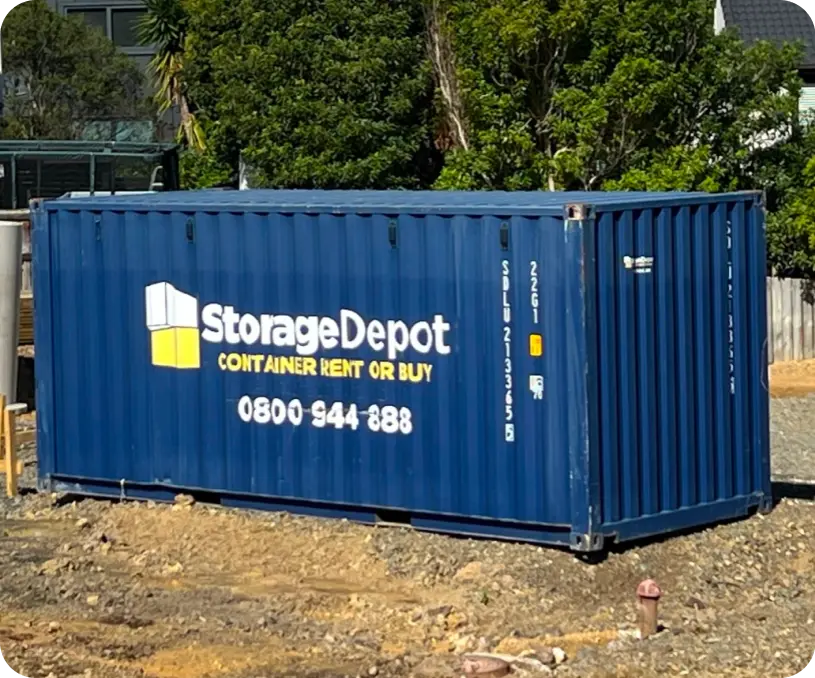
Storage containers give you a dedicated, self-contained space rather than a slot within a larger building. They suit larger or bulkier items well and are commonly used for business stock, equipment, and household moves where volume is the main concern.
| Storage Unit | Storage Container | |
| Storage format | Individual unit within a facility | Dedicated shipping container |
| Space | Various sizes available | Larger, self-contained space |
| Best suited to | Smaller or flexible storage needs | Larger volumes and bulky items |
| Household storage | Yes | Yes |
| Business storage | Yes | Yes |
| Long-term storage | Yes | Yes |
How Much Storage Space Do You Need?
This is where the self-storage vs container storage question usually starts to take real shape. The amount and type of belongings you’re storing should guide the decision more than anything else.
A storage unit may suit you if you’re storing boxes and smaller household items, you don’t need a large footprint, and you’d rather choose a size based closely on the volume you actually have. A storage container tends to work better if you’re storing furniture, dealing with bulky belongings, holding larger quantities of stock, or need room for equipment and materials.
It’s worth remembering that advertised size alone doesn’t tell the full story. How efficiently your belongings pack in, and how easily you can get to them once they’re in there, matters as much as the raw dimensions.
How Often Will You Need Access?
Access is a separate question from space, and it deserves its own thought. Consider how often you’ll actually visit, whether you’ll need to pull out individual items, how loading and unloading will work, what vehicle access looks like, the facility’s opening hours, and whether you’ll be rearranging things regularly.
If you expect frequent access, a storage unit may be more practical, though this really comes down to the specific facility’s layout and entry arrangements. If your access will be occasional, a container can work well for items being stored over a longer stretch without much need to get in and out. Neither option is automatically better for access across the board. It depends on the site and how it’s managed.
What Are You Storing?
Rather than revisiting space, it’s worth breaking things down by the type of items involved.
Household belongings typically mean furniture, appliances, boxes, and general personal items. Business stock covers inventory, packaging, equipment, and seasonal goods that need to sit somewhere until they’re needed. Trade equipment includes tools, materials, and gear that don’t belong in the main workplace but still need to stay secure and dry. Large or awkward items are the ones that don’t pack efficiently into a smaller space, regardless of how much total volume they take up.
Shape and accessibility can matter just as much as overall volume. A handful of oddly shaped items can eat up more usable space than a much larger stack of neatly boxed goods.
Storage Units vs Containers for Moving House
Moving is one of the most common reasons people start comparing container storage vs self storage in the first place. It comes up during a move between homes, a settlement delay, downsizing into a smaller place, a temporary relocation, or renovating before you move in.
For smaller households or short gaps between settlement dates, a storage unit can be a tidy fit. For larger households, bulkier furniture or longer renovation timelines, a container often makes more sense simply because it holds more without needing multiple units. Our guide to shipping container sizes is worth a look if you’re trying to work out roughly what size would suit a house move.
Storage Units vs Containers for Businesses
Business storage needs look a little different again. Storage units can suit smaller inventory runs, document archives, general office overflow and smaller equipment that doesn’t need much room. Storage containers tend to come into play for larger stock volumes, building materials, trade equipment, machinery and seasonal inventory that swells at certain times of year.
The underlying business problem is usually the same either way: freeing up valuable workspace without committing to bigger premises. Getting the storage sorted separately from your main site can make a real difference to how the space actually gets used day to day.
Which Option Is More Cost-Effective?
There isn’t a simple answer to the self storage vs container storage in NZ cost question, and we’d rather not pretend there is. Overall value depends on the amount of space required, how long you’ll need it, your access requirements, the type of belongings involved, loading and unloading arrangements, and any additional fees that might apply.
As a general principle, if you only need a small amount of space, a larger storage option may not be the most economical route. If you need substantial space, a container can offer better value for what you’re actually storing. It’s worth getting in touch directly for current pricing, since costs shift depending on size, duration, and location.
How Secure Are Storage Units and Containers?
Security is one area where self storage vs container storage decisions genuinely come down to the individual facility, so it’s worth checking properly rather than assuming. Look into facility access controls, the type of locks used, general site security, whether CCTV is in place, lighting around the storage area, who else can access the space, and whether your belongings are individually secured or shared with others nearby.
Our containers come lockable, wind and water-tight, and built to keep belongings protected regardless of which storage type you choose. If you’re after more detail on our on-site setup, our page on portable and on-site storage solutions covers how that works in practice.
How to Choose Between a Storage Unit and Container
Five questions tend to settle most decisions.
How much are you storing?
Smaller volumes generally point towards a unit, while larger volumes point towards a container.
What are you storing?
Boxes and smaller items often work fine in a unit, whereas furniture, stock, or equipment tend to suit a container better.
How often will you need access?
Frequent access means comparing facility layouts carefully. Occasional access suits longer-term container storage.
How long will you need storage?
Both short and long-term arrangements can work well, so it’s worth comparing total cost rather than assuming one option automatically wins.
Do you need room to grow?
If your storage needs might increase down the track, think about whether your chosen option can flex with that change.
Storage Unit or Container? A Quick Decision Guide
| Your situation | Consider |
| Small amount of belongings | Storage unit |
| Boxes and personal items | Storage unit |
| Large furniture collection | Either, depending on volume |
| Large amount of stock | Storage container |
| Trade equipment | Storage container |
| Moving house | Either |
| Business overflow | Either |
| Long-term storage | Either |
| Bulky equipment | Storage container |
Making the Right Call for Your Storage Needs
Storage units and storage containers both offer practical extra space, but the right pick depends on your belongings, how much room you need, how often you’ll access them, and how long you’ll need the space for. Working through these factors first makes the actual decision far easier.
Not sure whether a self-storage NZ unit or a container suits you best? Get in touch with our team at Storage Depot, and we’ll help you find the storage option that fits your needs. You can also browse our full range of storage locations across New Zealand or check our container options if you’re leaning towards a dedicated container.